TVS iQube is an electric scooter family with several battery sizes, including iQube S and ST. The official current comparison spans 2.3 to 5.3 kWh and 114 to 212 km IDC range. Those endpoints belong to different versions. This article keeps battery capacity, charging time, speed and display equipment aligned with the correct configuration rather than combining them into a fictional single specification.
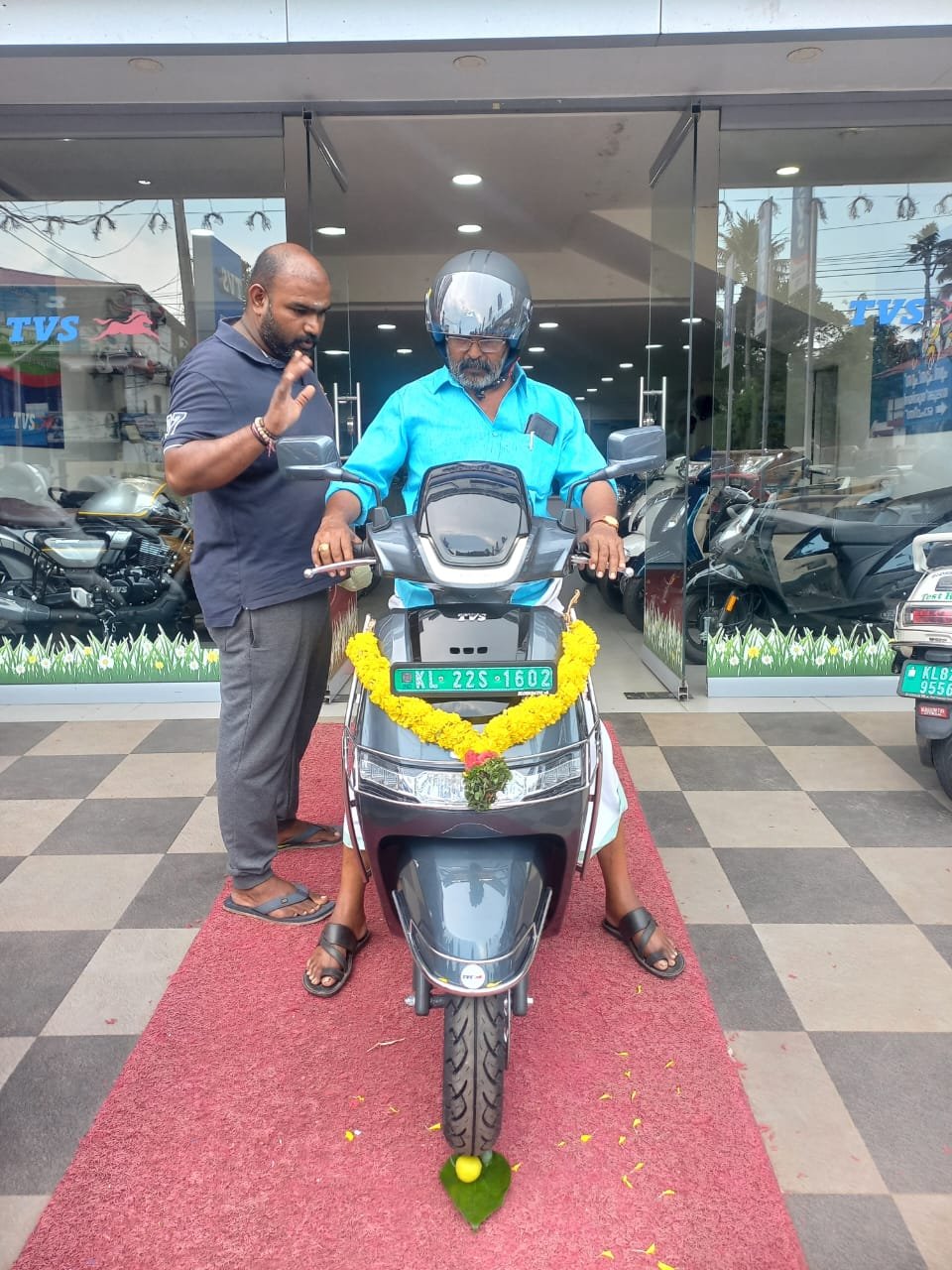

Current manufacturer listing; a new-launch date has not been independently verified for this article.
Technical specifications
| 2.3 kWh version | 114 km IDC; 68 km/h claimed top speed | ↗ |
|---|---|---|
| 3.1 kWh version | 123 km IDC; 82 km/h claimed top speed | ↗ |
| 3.5 kWh version | 145 km IDC; 82 km/h claimed top speed | ↗ |
| S 4.7 kWh version | 175 km IDC; 82 km/h claimed top speed | ↗ |
| ST 5.3 kWh version | 212 km IDC; 82 km/h claimed top speed | ↗ |
| 10–80% charge, 2.3 / 3.1 | 2 h 25 min / 3 h 30 min, claimed | ↗ |
| 10–80% charge, 3.5 / S / ST | 3 h 45 min / 3 h 15 min / 4 h, claimed | ↗ |
| 2.3 kWh display | 12.7 cm LCD | ↗ |
| S / ST display | 17.78 cm TFT / TFT touch | ↗ |
Do not mix the smallest and largest variants
The 2.3 kWh iQube is listed with 114 km IDC range and 68 km/h top speed. The ST 5.3 kWh is listed with 212 km IDC and 82 km/h. A claim that the lowest-priced iQube provides the ST range would therefore be misleading. Start comparisons with the full battery designation, not simply the iQube name or the headline starting price.
Middle configurations deserve attention
Between the endpoints, TVS lists 3.1 kWh with 123 km IDC, 3.5 kWh with 145 km and S 4.7 kWh with 175 km. The MillionR edition also shows a 3.5 kWh battery and 145 km IDC. A special-edition name is not evidence of extra range. Compare the equipment and price difference against your daily route before paying for a larger battery or edition.
Charging windows must match
The variant table uses a 10–80 percent charging window. It lists 2 hours 25 minutes for 2.3 kWh and four hours for ST 5.3 kWh. Elsewhere the site uses a 0–80 percent headline, which is a different measurement. Compare only matching start and finish percentages, and confirm the charger supplied with your chosen version and the electrical requirements for installation.
Display differences are substantial
The 2.3 kWh model has a 12.7 cm LCD in the comparison. The 3.1 and 3.5 kWh versions use 12.7 cm TFT displays, S has a 17.78 cm TFT and ST adds touch operation at that size. Check readability outdoors and how the required functions operate with gloves. A large screen should not be assumed from a photograph of an ST on a range-wide page.
Range and daily use
All quoted range figures here are IDC values from TVS. They should not be represented as independently measured distance with a pillion, luggage or fast riding. Try the parking-assist function and the seating position, then plan charging around your actual daily distance. Include a reserve for detours and avoid planning every journey to use the full advertised battery range.
Price, incentives and subscription
TVS’s site includes a location selector and price breakup with charger, insurance, taxes and incentive lines. A default price panel without a confirmed selected city and variant is not enough for a state-wise price claim. Obtain a dated quote and check incentive eligibility, software subscription duration and accessories separately. Keep any battery-as-a-service offer distinct from an outright battery-inclusive purchase.
Features and equipment
- Battery choices from 2.3 to 5.3 kWh
- Q-Park Assist advertised
- Variant-specific display choices
Strengths and points to check
Strengths
- Several battery/range combinations
- Published charging comparison
Considerations
- Entry version has lower listed top speed
- ST headline range is not shared by every version
Editorial interpretation of published specifications, not a hands-on road test.
Variants, price and state-wise quotation
| Variant / configuration | Price context |
|---|---|
| iQube 2.3 kWh | — City-specific quotation not verified. · ↗ |
| iQube 3.1 kWh | — City-specific quotation not verified. · ↗ |
| iQube 3.5 kWh | — City-specific quotation not verified. · ↗ |
| iQube MillionR | — City-specific quotation not verified. · ↗ |
| iQube S 4.7 kWh | — City-specific quotation not verified. · ↗ |
| iQube ST 5.3 kWh | — City-specific quotation not verified. · ↗ |
State-wise ex-showroom and on-road quotes are not verified for this model. The amount can depend on city, variant, insurance and registration. Select your state in the calculator and enter an itemised local quotation; no automatic tax rate or subsidy is assumed.
Sources and editorial notes
Specifications are manufacturer claims and may differ by trim. Published information can change; confirm the exact vehicle before making a decision.
Information still to verify
- Verified city/configuration prices
- Licensed model-specific photograph
- Full dimensions and motor-power matrix